
How to Choose a Reliable Used Excavator: A Complete Procurement Guide for Global Buyers
Preface:With the growing global trade in used excavators, many buyers find themselves unsure of how to select a quality machine. If you share this concern and are looking to source heavy equipment from China while maximizing your return on investment, this article shares practical procurement insights to help you avoid common pitfalls.
In recent years, the surge in demand for second-hand excavators has led to a proliferation of suppliers and trading platforms, leaving many buyers uncertain about where to source reliable equipment. Given that an excavator represents a significant capital outlay—often ranging from tens of thousands to over one million RMB—a poor purchasing decision can result in substantial financial losses. Consequently, buyers remain vigilant and cautious, wary of potential fraud or misrepresentation.
However, there is no need for undue alarm. For buyers, two factors are paramount:
1.Ensuring machine quality
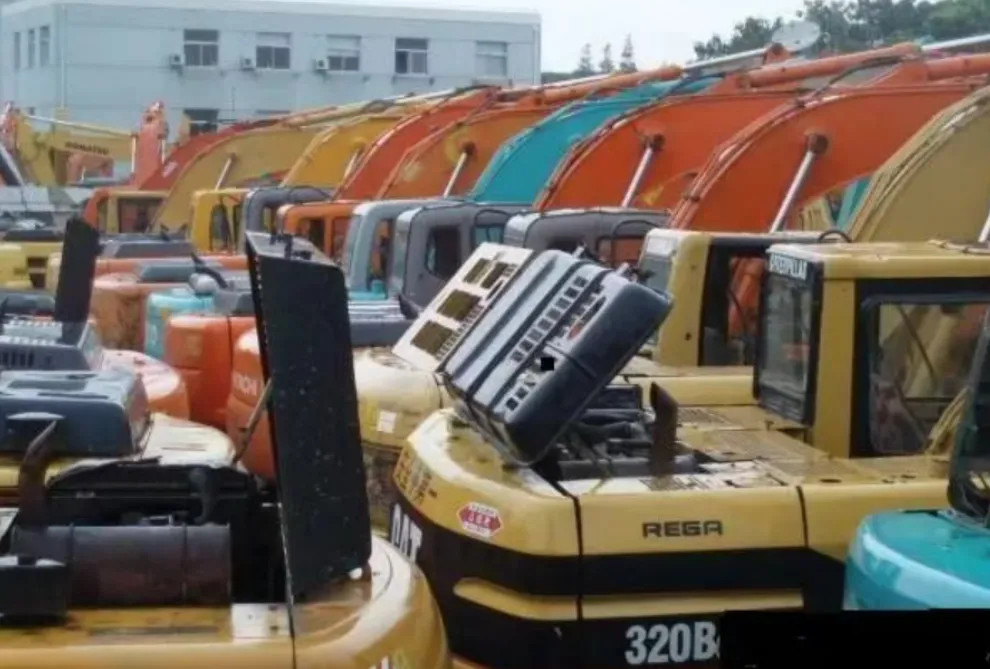
2.Dealing with reputable and legitimate suppliers,The first point depends largely on the buyer's ability to assess individual machine conditions—since each used unit varies, an experienced technician can generally evaluate its state through on-site testing and operation. The second point is a more common concern: the market is crowded with intermediaries, some of which are shell companies. In China, the two largest and most established used excavator markets are Shenzhen Fenghuangcheng and Shanghai Yumao.
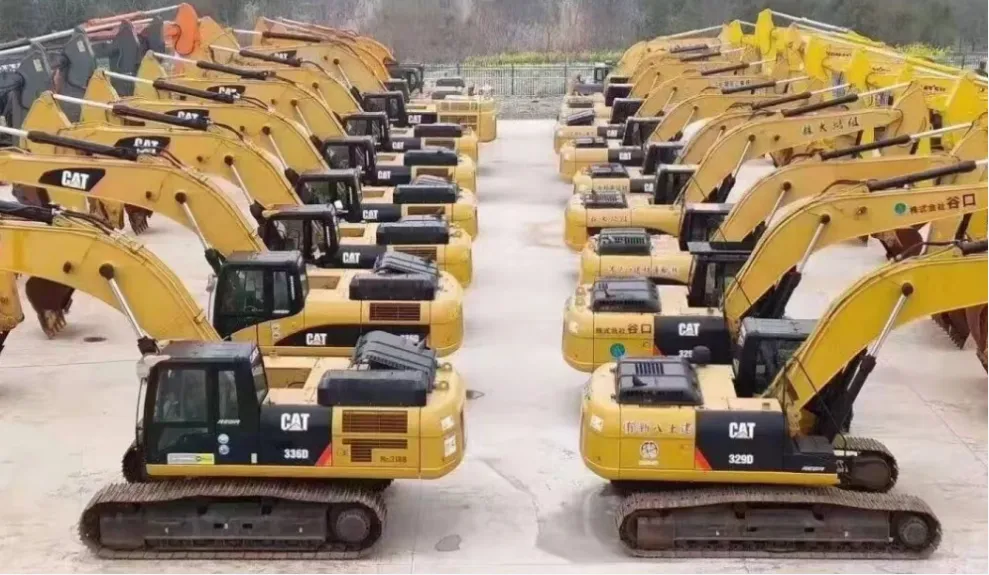
That said, even well-established and reputable companies do not guarantee that every machine is defect-free. Each used excavator has its own unique condition, which necessitates careful inspection. Below, we have compiled a list of key considerations when purchasing a used excavator, which we hope will prove useful to our global readership.
Inspect the Bucket and Arm Assembly
1. Pay close attention to the bucket cylinder connecting pins and bushings. Check for looseness in these areas, as many issues arise from poor maintenance and inadequate inspections. When operating the machine to move the bucket, arm, and boom, you may observe movement in the pins or cylinders without corresponding movement in the bucket or arm—this typically indicates worn pins and bushings.
2.Another critical point is to thoroughly examine the connection between the boom and the machine body. Excessive wear at the lower boom mounting point can significantly devalue the entire unit.
Hydraulic Cylinders and Hoses
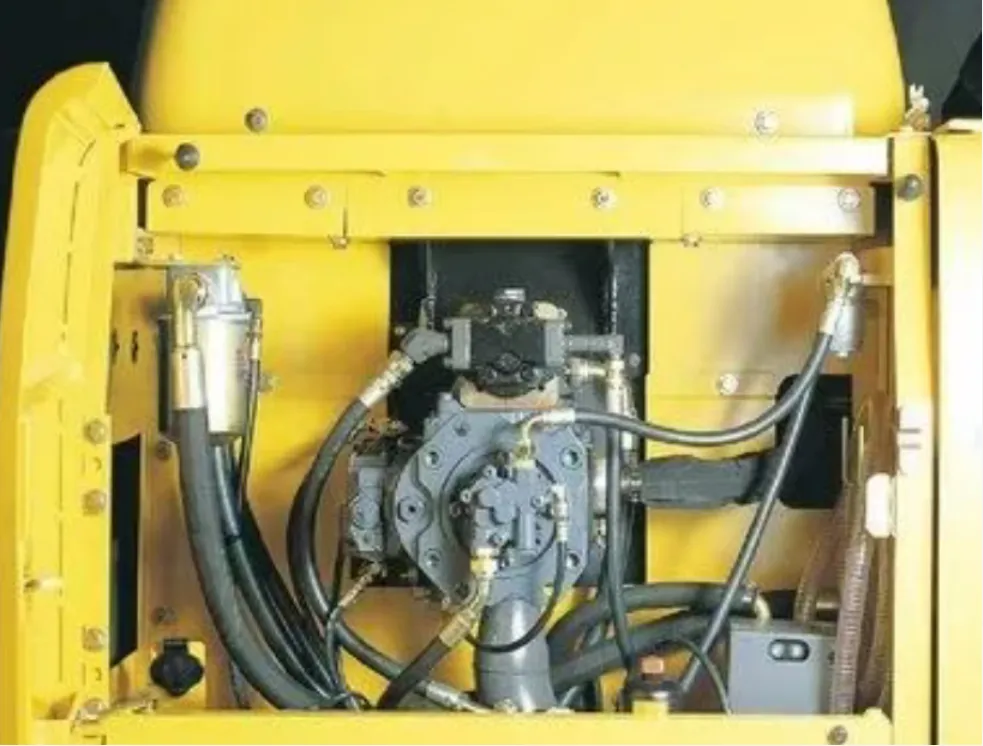
The hydraulic pump is the power source of the hydraulic system, converting mechanical energy from the engine into hydraulic pressure to drive the entire system. Therefore, a thorough inspection of the hydraulic pump is essential.
1.Oil leakage suggests potential contamination of the entire hydraulic circuit. Ideally, the chrome-plated surface of the hydraulic cylinder should show no scratches, dents, or signs of leakage. Any seepage indicates that contaminants may have already entered the system.
2.Likewise, verify that the cylinder walls are free from damage or indentations. The clearance between the cylinder and piston is minimal; even a single foreign particle can cause abrasive wear, generating metal debris that will circulate throughout the hydraulic system.
Watch for Weld Marks on the Structure
1.Carefully inspect the machine for cracks or non-original welded repairs. Such evidence often indicates that the equipment has been subjected to excessive or abusive use.
2.Place a straightedge along the boom and arm to check for misalignment or distortion. Pay particular attention to areas with added steel plates or reinforcement patches.
3.While some scratches and dents are to be expected on used equipment, an excessive number of patch repairs may suggest that the machine has accumulated significant operating hours and wear.
Rubber Tracks and Undercarriage
1. Closely examine the wear on the rubber tracks, as well as the condition of the sprockets, idlers, and rollers.
2. Assess the overall track condition by checking for cracks and edge wear. Also, note the height of the tread ribs—similar to checking tire tread depth. Track lifespan varies significantly depending on operating conditions and soil types. On average, tracks last around 2,000 hours; however, this figure can be halved when working on rocky or abrasive terrain, and conversely, may be extended in softer, more forgiving environments.
3. When inspecting the tracks and undercarriage, do not forget to check the oil level and cleanliness of the final drives. This area is frequently overlooked, and if oil levels are low and moisture or debris has entered, major mechanical failures can result.
On-Site Operational Testing
After completing the visual inspection, it is essential to conduct a hands-on operational test. Ideally, the buyer should be familiar with excavator controls and machine behavior. If not, it is highly recommended to bring an experienced operator or technician along.
1.Examine the cab
The cab is the most frequently used compartment. A well-maintained, orderly cab suggests that the machine has not been overworked.
2.Start the engine and listen to the motor
Upon starting, listen for a clean, consistent engine sound and check for any abnormal noises from the hydraulic pump. If the pump mounting bolts show extensive signs of having been loosened or retightened—especially over a large area—it is advisable to abandon the machine and move on. When actuating hydraulic functions, verify that all movements are smooth and coordinated. If possible, operate the machine for several hours, then inspect the swing motor and distribution valve for any traces of oil seepage or tampering with bolts. After these steps, you should be able to form a reliable overall assessment of the machine's condition.
Pay for Peace of Mind
When purchasing a used excavator, in addition to evaluating its age and hours, it is advisable to negotiate a warranty or service agreement with the seller—even if it involves an additional cost. For example, you may request coverage for mechanical failures occurring within the first 200 hours of operation, or the option to return the machine if significant defects become apparent shortly after delivery. Such arrangements should be discussed and clearly stipulated with the supplier based on the specific circumstances. Consider this an investment in risk mitigation.
"Procuring an excavator should never be based solely on price comparison. Thorough preliminary evaluation is essential for scientifically planning your equipment procurement budget and effectively managing the total cost of ownership for heavy machinery. As an independent procurement agent, we are committed to helping you make sound purchasing decisions in China's used construction equipment market—whether you are sourcing in bulk or looking for a single unit, we can offer tailored solutions. For equipment quotations or further inquiries, please feel free to contact us at any time."