
How to Properly Select a Reliable Used Crane?
Preface: If you are struggling with how to choose a good used crane, or are currently reviewing a used equipment procurement guide, this article shares practical purchasing points for second-hand cranes!
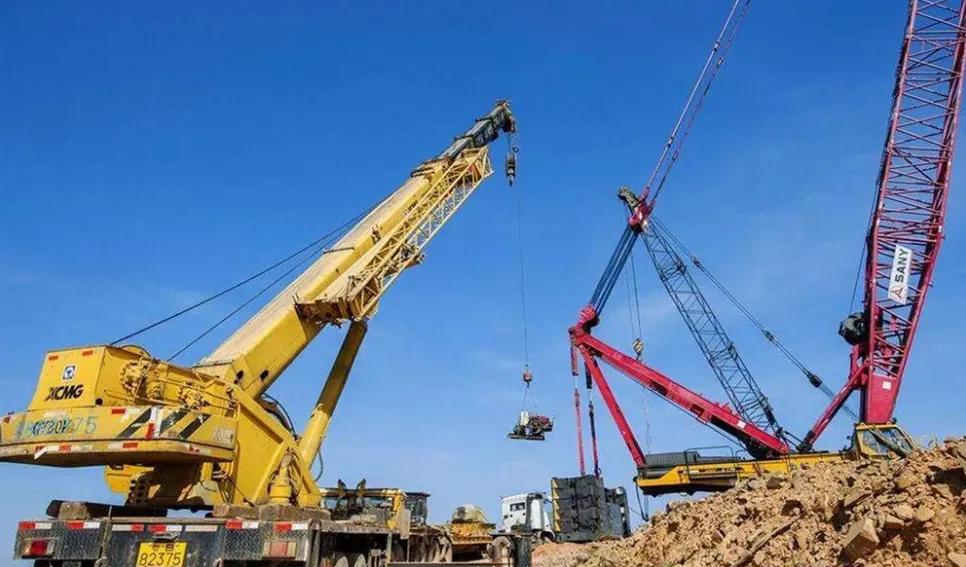
Q1: What should we know before inspecting a used crane?
Before selecting a used crane, it is essential to first inquire about the machine's purchase date, its previous applications, and the reason for sale. Ask about past repair history, which major components have been replaced, and any operational issues encountered during use. This will give you a comprehensive and systematic understanding of the used crane.
Q2: When selecting a used crane, what key areas should we examine?
Check the manufacturer's nameplate and the exterior appearance of the used crane. Identify the manufacturer, the date of production, and how long ago it was manufactured. Inspect the paintwork for peeling, check for missing or damaged components, and determine whether the model has been phased out. The nameplate and exterior condition are the first indicators of the machine's overall age and wear.
Q3: What are the key points to focus on during a test run?
Inspect the wear condition of the boom main pivot pins, check whether the boom is deformed, test the hydraulic motor for adequate power, assess whether the engine and transmission show signs of excessive fatigue, and verify that the slew motor operates smoothly.
For crawler cranes, pay particular attention to the wear level of the track shoes, the start-up and working condition performance—including any abnormal noise—and whether the boom length is sufficient for your operational needs...
Specifically, inspect the following aspects:
1. Power System: The engine should run normally; the power take-off (PTO) engagement and disengagement should function correctly; acceleration should be responsive (for truck cranes, suspension should be normal; for crawler cranes, travel should be smooth).
2. Transmission System: PTO, high-speed transmission, low-speed transmission.
3. Control System: Four-lever/two-pedal operation, control panels, lighting controls, brake discs.
4. Outrigger System: All four outriggers should extend and retract smoothly.
5. Hydraulic System: Extension and retraction should be uniform, with no visible leakage.
6. Wire Ropes: It is recommended to replace all wire ropes.
7. Auxiliary Boom: Threaded connections should be free of corrosion, deformation, or distortion.
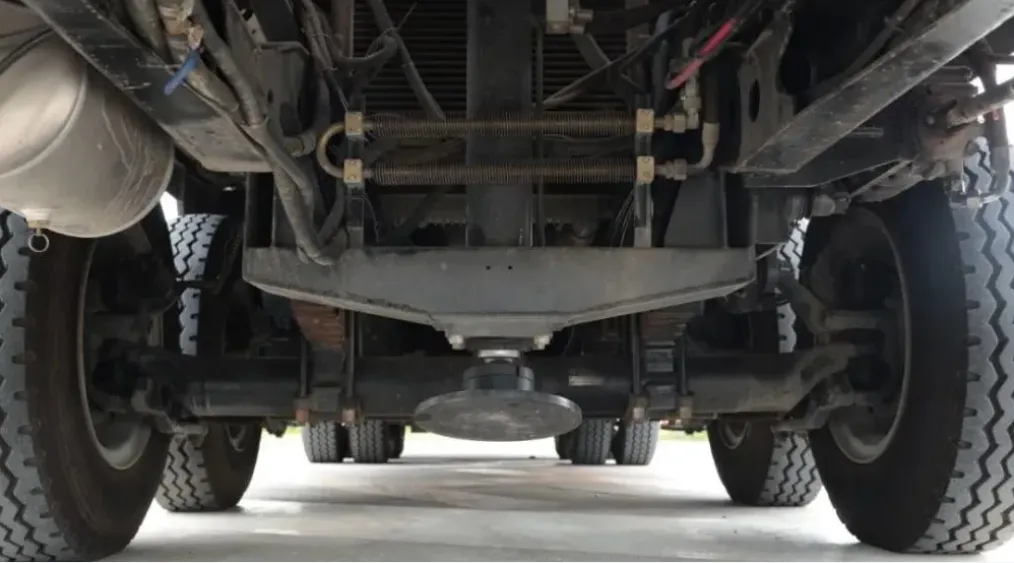
Q4: Key Point – How can you determine whether a used crane has been involved in an accident?
When inspecting a used crane, first examine the main frame rails and the boom for any signs of straightening or repair. If you observe cracking in the repainted surface, it indicates that these areas have been repaired or straightened. (Straightened sections typically show heat marks from torch heating, and repainted areas will leave visible traces.)
Take your time walking around the machine, carefully inspecting the edges of the fenders and the axle areas for wear and corrosion levels. Also, examine the exhaust pipe tip for signs of aging or rust.
Next, inspect the weld joints on the frame beneath the engine hood. Original welds are smooth and fine; repaired welds are generally rougher than the originals. Compare both sides—if discrepancies are found, it suggests the machine has been involved in a relatively serious accident.
If possible, inspect the undercarriage for aging or damage to chassis components. Also, check the angle iron for deformation—if bent, it indicates the crane has frequently been used for overloaded operations.
Pay attention to the tires as well: Tire wear, especially on the front wheels, reflects how frequently the crane has been used. If the tread pattern is flattened and the edges have lost all definition, it indicates heavy previous usage and possibly poor maintenance practices—a useful indicator when evaluating a used crane.
Q6: Does a used crane with a less-than-perfect appearance necessarily mean it is a poor machine?
The most important parts of a crane are the main frame, the boom assembly, and the engine and related components. Used cranes will inevitably have minor cosmetic blemishes. Do not be overly concerned with small scratches or dents on the exterior. The engine operating condition, boom condition, and accident history are the most critical factors you should focus on when selecting a used crane.
Generally speaking, it is advisable to choose well-established brands and models with a strong market presence. Some rare imported cranes—even if they appear to be in good condition and offered at low prices—should be approached with caution. The previous owner may have decided to sell precisely because parts are difficult to source and maintenance costs are prohibitively high.
Q7: How to choose the right purchasing channel? Are used cranes advertised by intermediaries on social media reliable?
Particular attention should be paid to the purchasing channel. Only equipment sourced through legitimate, established channels offers adequate protection. Avoid purchasing through unqualified intermediaries without proper credentials—in the event of a dispute, you could lose both your money and the machine.
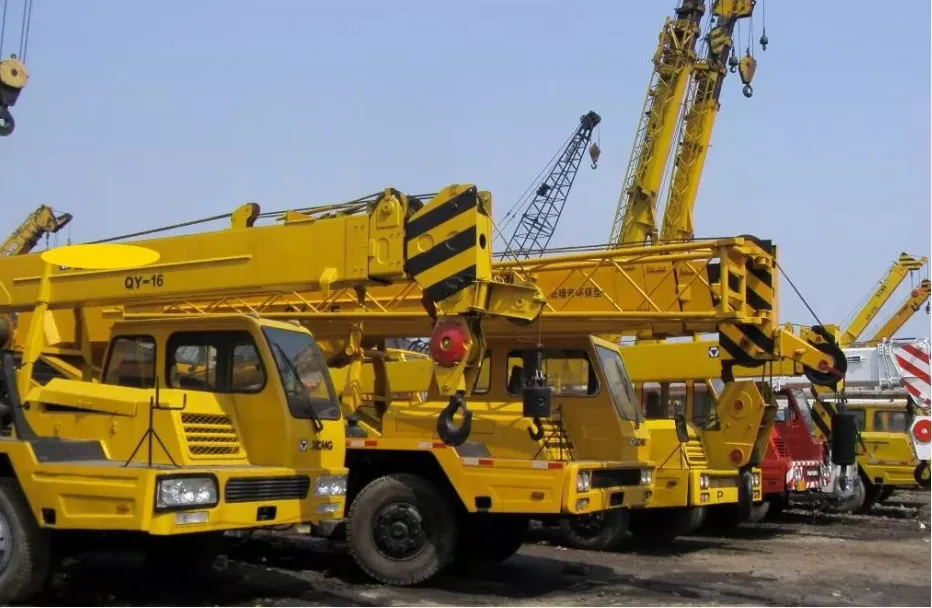
Q8: The used crane market is full of pitfalls—which used cranes should you avoid buying?
Before selecting a used crane, it is essential to verify its ownership history and legal status. Under Chinese national regulations, the following 9 types of used vehicles/machinery are prohibited from trading:
1.Any motor vehicle that has already been processed for scrappage.
2.Any motor vehicle that, although not yet formally scrapped, has reached scrappage standards or will be scrapped within one year.
3.Any motor vehicle that has not passed safety and quality inspections.
4.Any used motor vehicle with incomplete or missing documentation.
5.Any stolen or smuggled vehicles.
6.Any illegally assembled or reassembled vehicles.
7.Any new motor vehicle illegally assembled from domestic, imported, or mixed parts.
8.Any used motor vehicle with right-hand drive configuration.
9.Any other type of motor vehicle prohibited by national laws and regulations from entering the commercial trading sector.
"As an independent procurement agent, we help you make the right purchasing decisions in China's used construction machinery market—whether you are sourcing in bulk or looking for a single unit. We offer tailored solutions to match your operational needs. For equipment quotes, feel free to contact us anytime!"